New Body Disposition Techniques: Between Innovation, Ethics, and Regulation
28th January 2026
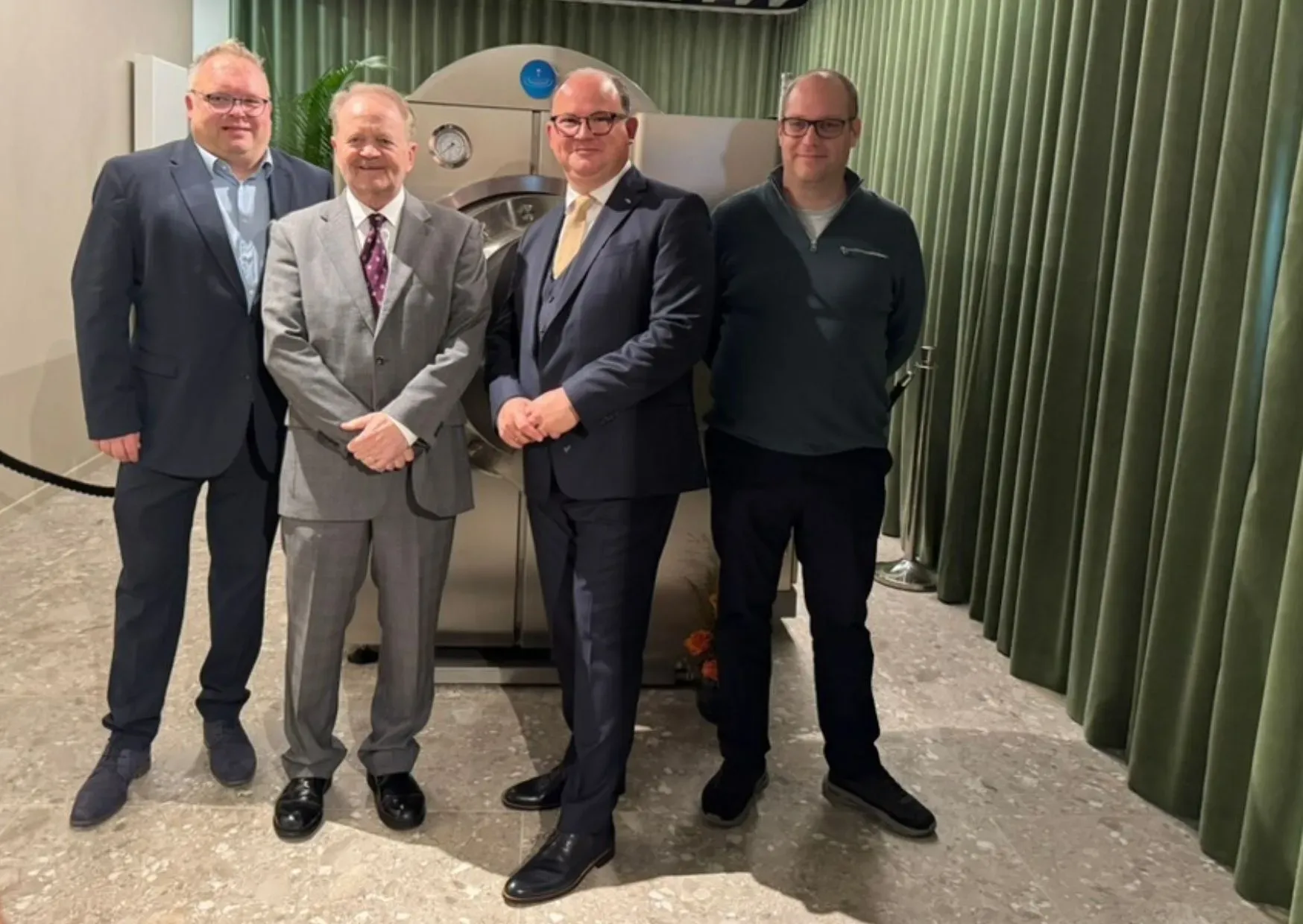
By Johan Dexters, FUNEBRA, FIAT-IFTA First Vice President, Belgium
The way we deal with death is changing. For decades, burial and cremation have been the only legally permitted methods of body disposition in many European countries. But today, increasing attention is being paid to alternatives that better reflect modern values such as sustainability, ecological responsibility, and personal meaning. Two such alternatives are resomation (alkaline hydrolysis) and natural organic reduction (known in Dutch as veraarden or human composting). Both promise a more environmentally friendly farewell, yet they still face scientific, legal, and ethical boundaries.
This article outlines the current state of affairs, drawing on official reports from Belgium, the Netherlands, and Germany, and analyses what these innovations might mean for the future of the funeral sector.
>> Discover the full story in THANOS Magazine 4/2025 — see pages 16-20.
Share this article